
Duvon™ supplied welfare-aware equestrian arena lighting with sightline-shielded optics — no point-source brightness inside the horse's natural sightline, no streaky shadow patterns.
Equestrian lighting carries a welfare requirement on top of the visual one: glare into the horse's line of sight is a known cause of refusals and spooks, and uneven floor light produces shadow patterns that startle young or sensitive animals. Any arena specification has to address both.
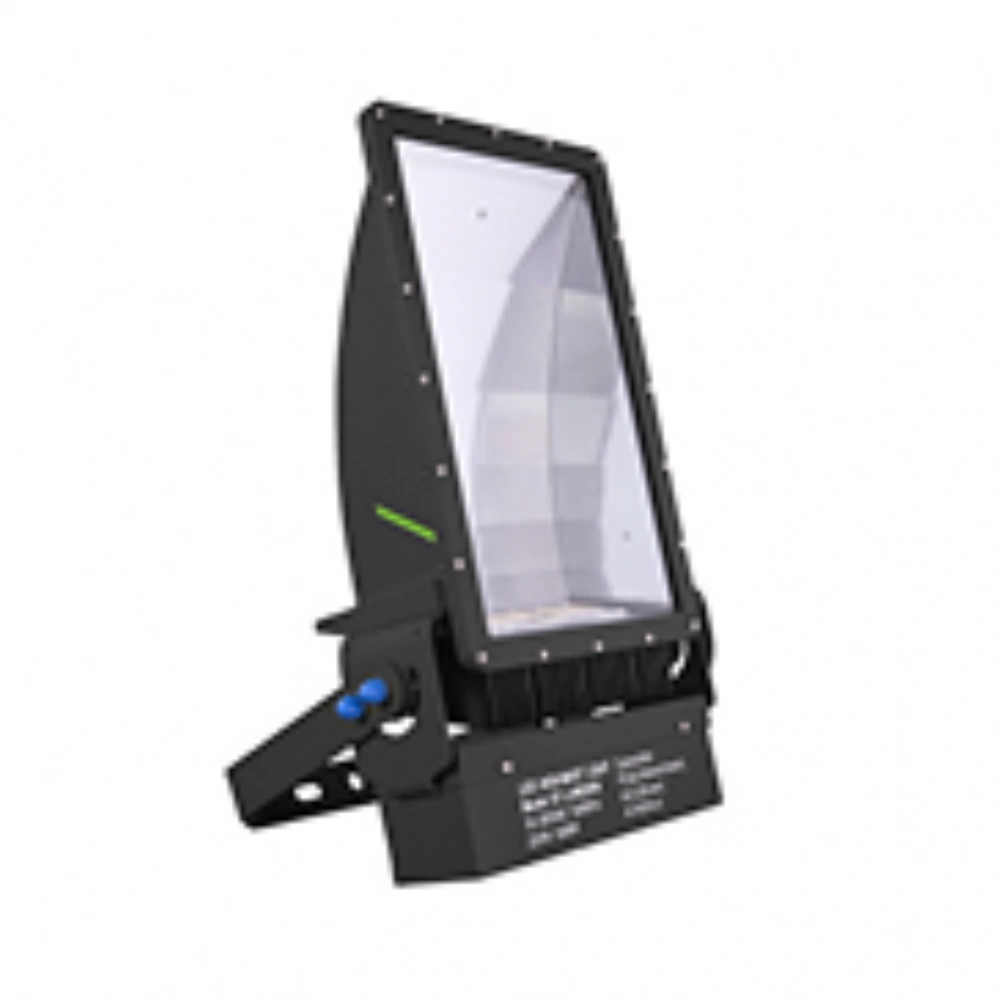
Duvon's design uses Patriot Series 320W heads with a deeply shielded optical assembly that places no point-source brightness inside the horse's natural sightline. Mounting heights are set above the rider's silhouette range, and the floor uniformity ratio is held at 1.3:1 to eliminate the streaky shadow patterns common to under-engineered installs.
Riders and instructors confirm a measurable drop in horse refusals around the rail and consistent coverage from the centre line to the C marker.
Highlights
Lighting Class: BS EN 12193 horse riding
Average Illuminance: 30 fc maintained horizontal at hoof level
Uniformity: 1.3:1
Fixtures: Patriot 320W LED Arena Lights (5000K, sightline-shielded)
Energy Savings: Up to 60% vs HID